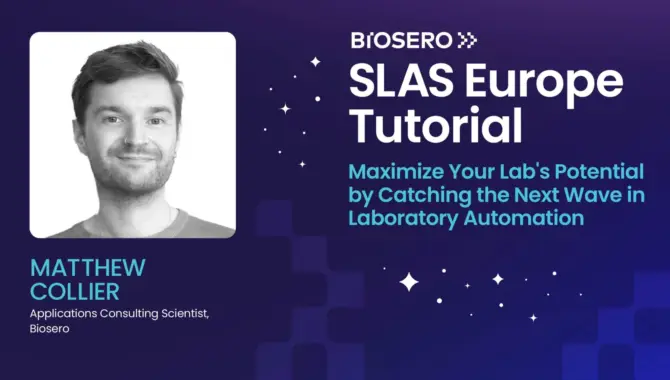
Automation and AI are rapidly reshaping how laboratories operate, improving efficiency, strengthening data quality, and opening new possibilities for connected, digital science. But sustainable progress doesn’t come from technology alone. It requires a clear scientific direction, thoughtful integration, and the ability to scale in a controlled and reliable way.
In this SLAS Europe 2026 tutorial, we explore how a science‑driven approach can guide the evolution of modern laboratories. Rather than focusing on tools first, the session highlights how scientific intent, data strategy, and workflow design come together to support better decisions and more robust outcomes over time.
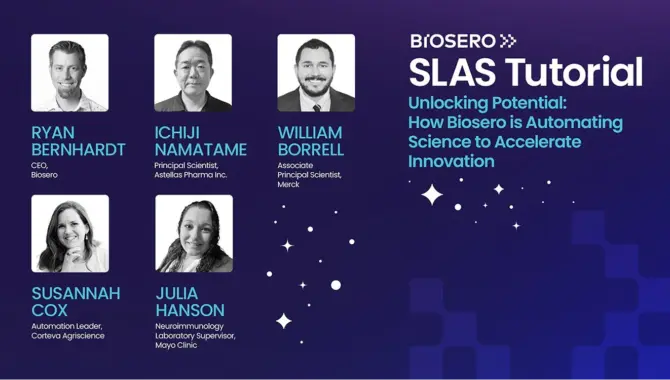
Bringing together perspectives from large‑scale lab environments, analytical science, and applied automation, the speakers share how organizations are moving from fragmented solutions toward more connected and interoperable ecosystems. The discussion focuses on how aligning data, systems, and workflows helps labs move beyond isolated automation efforts and build a stronger foundation for future capabilities.
You’ll hear insights from both industry and field experience, including lessons learned from real implementations, what works, where challenges typically arise, and what differentiates projects that scale successfully.
Topics covered include:
- How lab transformation is shaped by data, connectivity, and evolving technology strategies
- Why orchestration and connected workflows are becoming central to modern lab operations
- Practical lessons from implementing automation across different environments
- Common barriers to scaling automation, and how to approach them
- How to think about data readiness and future analytical capabilities
The session brings together perspectives from strategy, implementation, and field experience, offering a grounded view of how modern labs are evolving.